
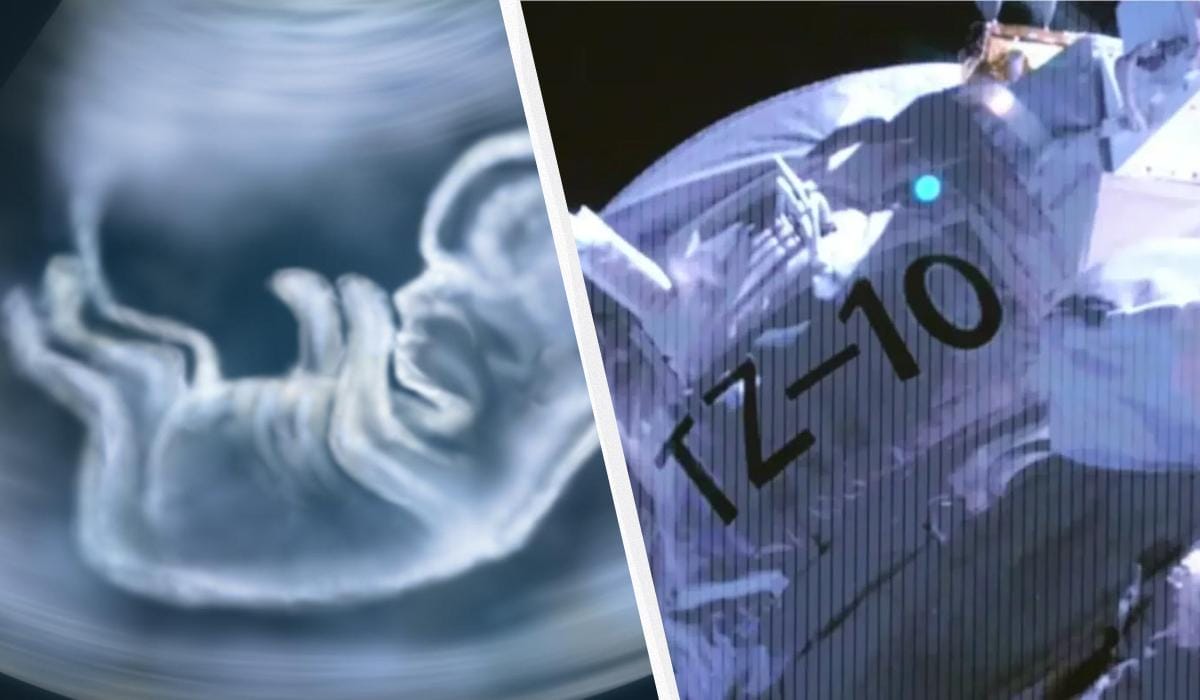

China has done something pretty unique by sending artificial human embryos to the Tiangong space station on the Tianzhou-10 cargo spacecraft. According to the Daily Galaxy, these structures, created from stem cells by the Chinese Academy of Sciences’ Institute of Zoology, aren’t real embryos and can’t develop into a foetus. But they do accurately mimic the early stages of cell division and attachment to the uterine wall, without any ethical constraints. During the five-day study, scientists will investigate the effects of microgravity and cosmic radiation on biological processes. Then, the samples will be frozen and sent back to Earth for comparison with a control group. At the same time, we’re doing similar tests on mouse and zebrafish embryos. These studies are really important for working out whether it’s actually possible for humans to reproduce in space. This is vital for planning future missions to the Moon and Mars, and setting up permanent colonies on other planets.
China has done an experiment like nothing we’ve ever seen before by sending artificial human embryos into space to see how the space environment affects the early stages of human development. The research should help us work out whether we can reproduce successfully outside of Earth, according to Daily Galaxy.
The experiment is being done on the Tianzhou-10 spacecraft, which took off from the Wenchang Space Centre and delivered over seven tonnes of cargo to the Tiangong space station. They’ve got all sorts of scientific equipment, including these embryo-like structures made from stem cells.
Chinese researchers say these structures aren’t real embryos and can’t develop into a foetus. They can also divide and mimic the early stages of development, which means we can study biological processes without the ethical issues that come with researching human embryos.
Researchers from the Institute of Zoology at the Chinese Academy of Sciences explain that the experiment involves two types of models: one that mimics the phase of attachment to the uterine wall, and the other – the stage of formation of the primary cell layers from which tissues and organs are formed.
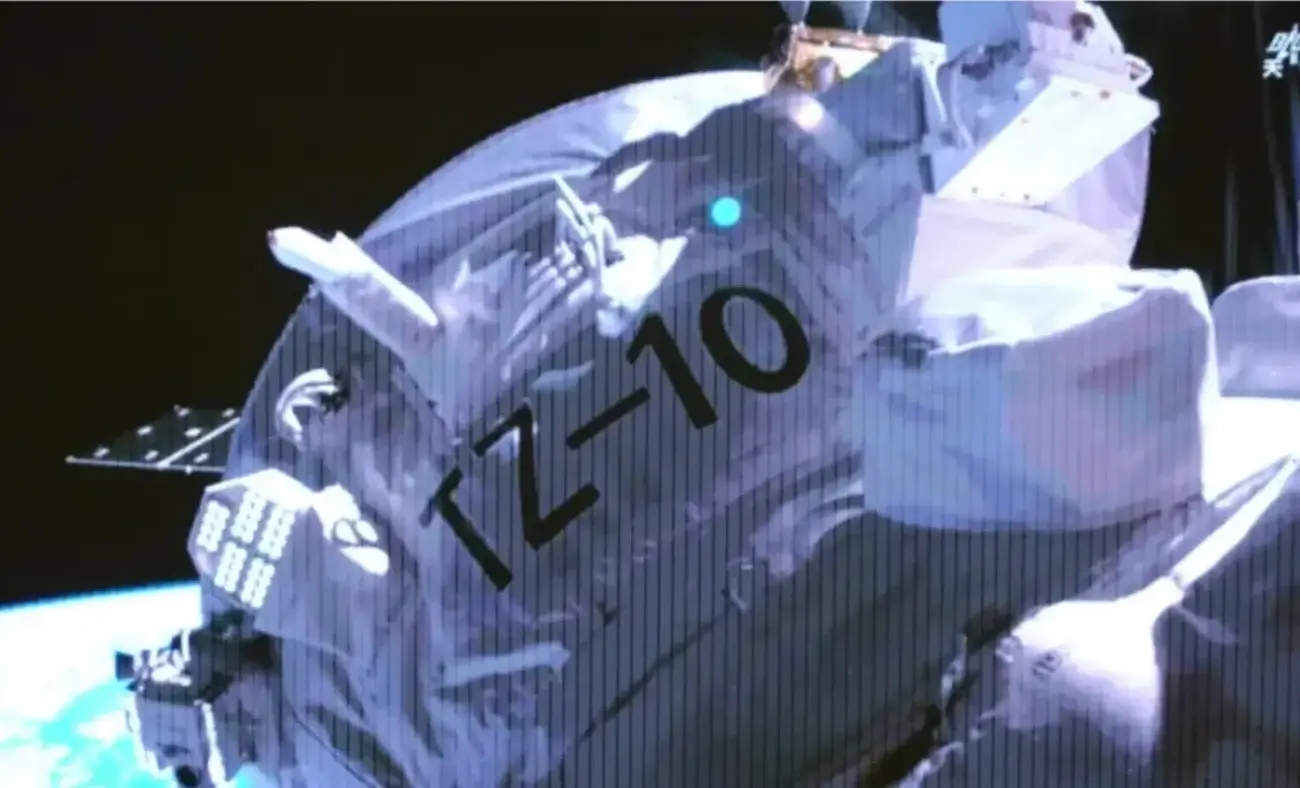
We’re also growing similar samples on Earth to keep things under control. After five days in orbit, the samples are going to be frozen and sent back to be compared.
Scientists are also studying how microgravity and cosmic radiation affect cell division and tissue formation. They’re also doing similar experiments with zebrafish and mouse embryos to get a bigger picture of biological changes in space.
As experts point out, getting to other planets is just one of the most complex challenges for future space missions. In microgravity, cells can age faster and radiation can damage DNA, which can hinder the normal development of organisms.
In the long run, this research could be really important for planning long-duration missions to the Moon and Mars, and even for setting up the first permanent human colonies outside of Earth.