
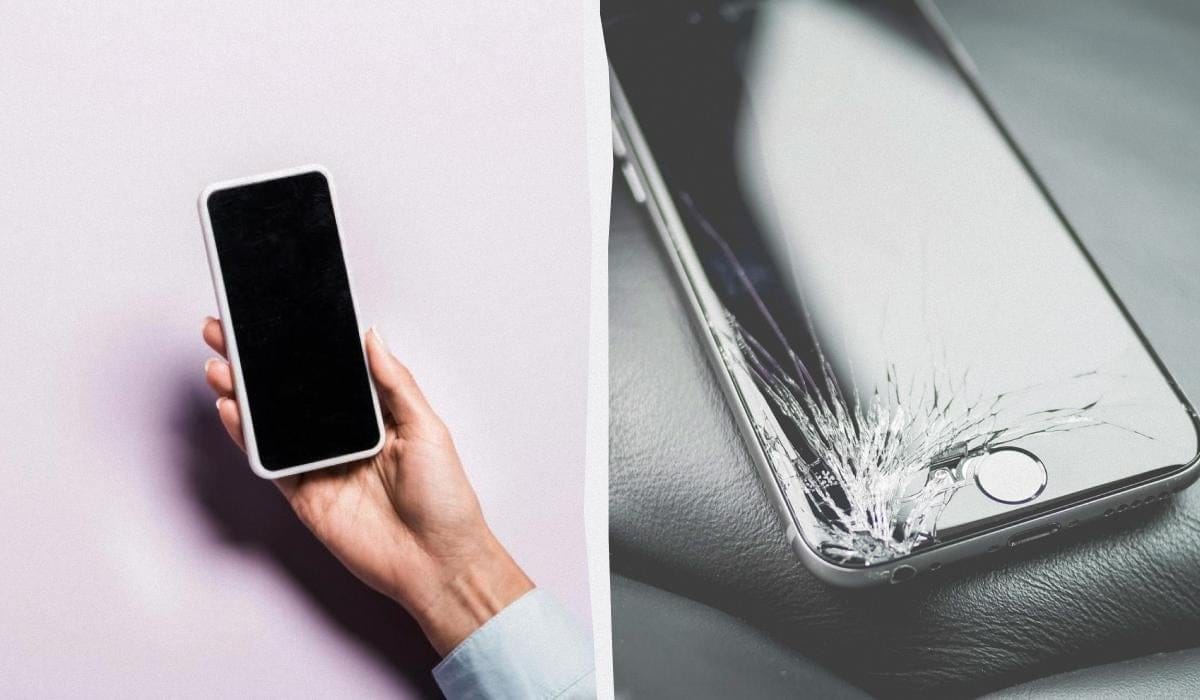

The experts had a look at the market for protective accessories and figured out that you can’t always expect better quality from pricier options. Modern Corning Gorilla Glass is already really durable, so screen protectors are like disposable armour to stop scratches. The main difference between a €5 and a €50 screen protector is not so much in durability, but in the quality of the oleophobic coating, anti-glare properties and how easy they are to put on. Experts say that the type of screen protector you go for, be it tempered glass, hydrogel or even a hybrid, should be based on the shape of your screen, rather than how much it costs. After all, you’re going to need to replace any screen protector that’s been really badly damaged.
These days, we’re glued to our phones. They’ve got so important now, we don’t want anything to happen to them. But phones can still get damaged by wear and tear or accidents. Screen protectors are there to make sure your screen can take a bit of normal use. But is it worth spending money on an expensive protector for what may turn out to be only minimal extra protection compared to a cheap one? Back in the day, smartphones weren’t as tough as they are now. You’d buy a brand-new iPhone only to scratch the glass display in your bag with your car keys. Screen protectors were a real need in the early days of smartphones. Now, with the latest versions of Corning Gorilla Glass, loads of phones are way more durable and less likely to get damaged, says BGR.
Even the best displays can still get scratched though, so you might want to think about getting a screen protector. But instead of going for the priciest option, you should find the type that works best for you – maybe tempered or hybrid glass – for your everyday use.
Any screen protector can break
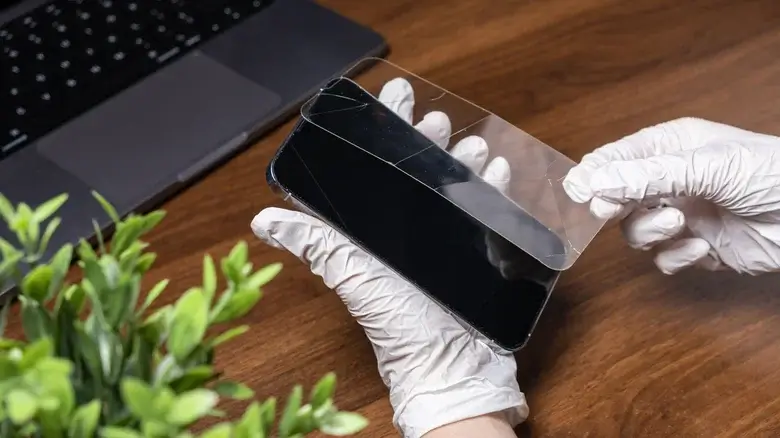
These days, you can find screen protectors at all price points, from €5 or €6 right up to €50 and beyond. Most of the time, protectors get damaged and need to be replaced when you can see real cracks.
Your screen is basically irreparable if damaged, but a screen protector is more like a disposable shield. It’s usually pretty easy to stick on and take off, and it’s always ready to be used. If a screen protector just stops scratches and damage from drops, and you’ll have to replace it eventually anyway, why not go for a cheaper option that does the job just as well? Instead, you should probably invest in insurance, AppleCare or a sturdy case.
But an expensive screen protector isn’t a complete waste of money. A cheap model will use lower-quality materials and is easier to replace, whilst premium models feature high-quality construction, enhanced impact resistance or additional features such as an anti-glare coating. This means they can take more damage, so if you’ve got the money, it’s worth making sure you’ve got the best protection possible. The difference might be small, but it’s worth it. But instead of thinking about whether something is cheap or expensive, you should think about what you need.
Picking the right one is key
Before you think about the cost, you need to decide on the best type for you. There’s standard PET plastic, which is the cheapest and simplest option. This is just your standard thin plastic film, it’ll protect against scratches and keep the display feeling natural, but it’s not going to protect against impacts. TPU hydrogel film is a slightly more durable option, offering better protection and flexibility, but it’s not as transparent or scratch-resistant as glass.
Next up is tempered glass (TG), which is probably the best option for a lot of users. This hard glass layer protects against scratches and light impacts, but still feels like a glass screen.
But just a heads-up, curved displays don’t play well with standard tempered glass. If your phone falls on its side, you might end up with a pretty long crack. There’s specialised UV-cured tempered glass for curved displays, which covers the screen properly and feels great, but it’s tricky to install, and the UV adhesive can damage the phone.
Hybrid tempered glass is perfect for people who are always afraid of dropping their phones. Glass screen protectors also come in special types, like anti-glare or frosted, which offer a similar level of protection. At last, liquid crystal nano-protectors create a thin film that’s strong enough, looks great and has no air bubbles, but they wear off and can be damaged by impact.
Right now, glass screen protectors definitely do the job better than plastic ones. But if you had to pick between a €15 and a €50 tempered glass screen protector, the former would do the job perfectly well. You can buy the latter if you want, but the benefit will be minimal.