
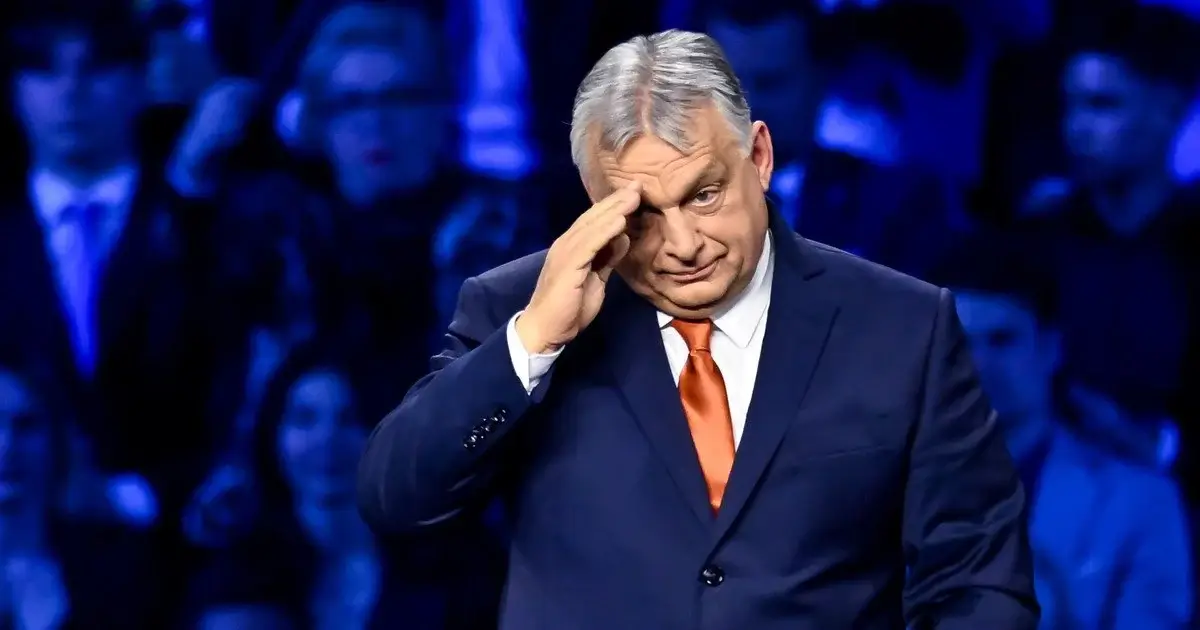

Hungarian Prime Minister Viktor Orbán, who is preparing to step down following his electoral defeat, has been invited to an informal EU summit in Cyprus on 23–24 April 2026. The main topic of discussion at the meeting will be the high-profile scandal concerning alleged collusion between the Hungarian government and Russia. The European Commission suspects Budapest of acting contrary to the EU’s security interests. EC President Ursula von der Leyen is expected to demand urgent explanations from Orbán. In addition to the Hungarian issue, EU leaders plan to hear from Volodymyr Zelenskyy and discuss the bloc’s budget and the situation in the Middle East.
Mr Orbán, who is set to resign shortly after his party’s defeat in the recent parliamentary elections, has been invited to attend the informal EU summit in Cyprus on 23–24 April. The scandal surrounding negotiations between the Hungarian and Russian governments may also be discussed at this meeting. This information comes from the Hungarian publication Telex.
The informal meeting of EU heads of state and government will cover three topics: the global geopolitical situation, the conflict in the Middle East and the EU’s seven-year budget.
On the evening of 23 April, it is expected that leaders will hear from Ukrainian President Volodymyr Zelenskyy regarding the Russian invasion. The invitation does not specify whether this will be a face-to-face meeting or a video call; both formats have been used previously.
As Telex notes, another topic may arise at the summit in addition to the official agenda: the scandal surrounding the negotiations between the Hungarian and Russian governments.
The next official EU summit is scheduled for 18 June. By then, Orbán is expected to have resigned following his election defeat.
Therefore, the summit in Cyprus in April could be the last opportunity for the bloc’s leaders to discuss the scandal involving Hungary’s current prime minister.
Last week, the European Commission’s chief spokesperson, Paula Pinhu, stated that the recordings and information released regarding these negotiations “highlight the alarming possibility that the government of a Member State” acted in collusion with Russia.
The European Commission described the Hungarian side’s actions as “actively working against the interests and security of the EU and all its citizens”.
Pinhu promised that von der Leyen would raise this issue with the leaders of the member states.
On Tuesday, a European Commission spokesperson confirmed that the matter would be discussed at leader level, though they did not specify whether this would take place at an informal EU summit.
Pinho added: “The government of the Member State in question must provide an explanation as a matter of urgency.”