
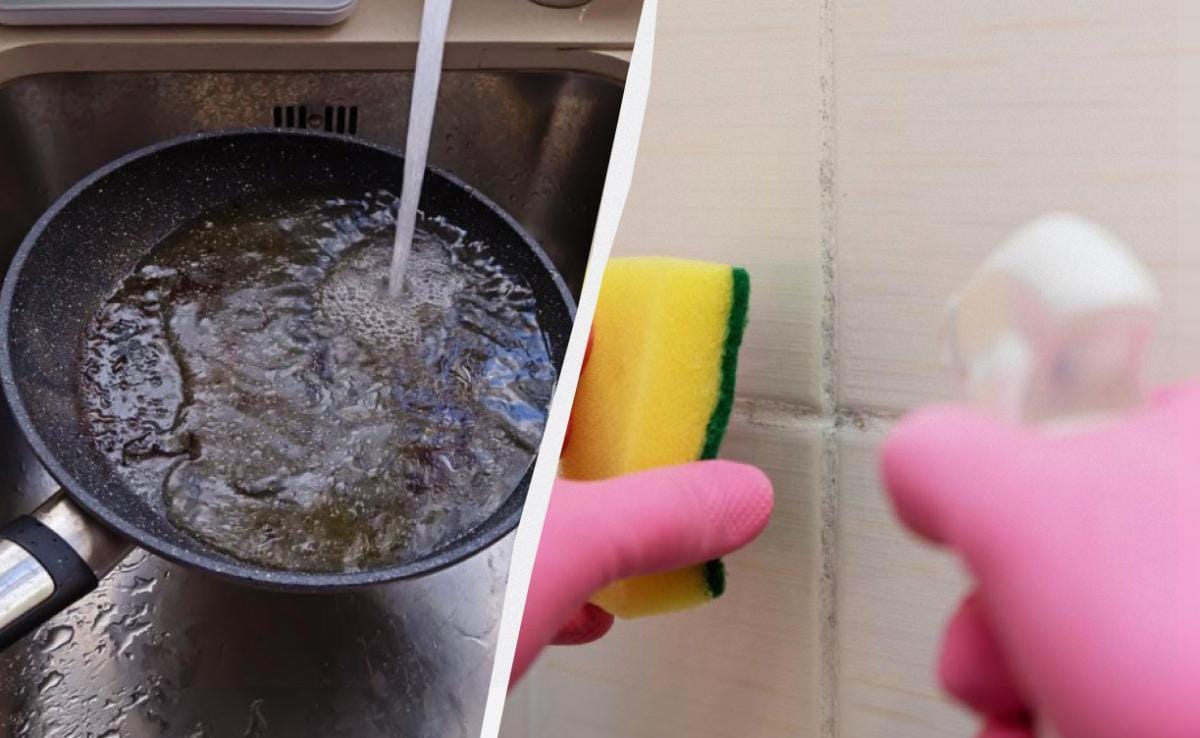

Although modern medicine no longer uses hydrogen peroxide to treat wounds, it remains a powerful, eco-friendly, non-toxic disinfectant for household use. According to Southern Living, who cite cleaning experts Lisa Sharp and Alex Varela, hydrogen peroxide can replace harsh household chemicals. The article describes nine ways to use it, including removing grease from baking trays and limescale from porcelain using a paste of hydrogen peroxide and baking soda, disinfecting toothbrushes, cleaning toilet bowls, and bleaching grout between tiles. It is also effective at removing stains from light-coloured fabrics (though it may cause discolouration on coloured fabrics), disinfecting the washing machine drum during an empty cycle (add 2 cups of the solution), gently washing feather pillows in the bath and serving as the base for a universal spray (in a 50/50 ratio with water) for treating worktops and chopping boards.
Many households keep a bottle of hydrogen peroxide in the bathroom or in their first-aid kit. It used to be considered an effective disinfectant for cuts and grazes, but doctors no longer recommend it for this purpose. However, SouthernLiving writes that the product can effectively perform many other functions around the home.
“Hydrogen peroxide is a powerful, non-toxic and eco-friendly disinfectant and sanitiser. It can kill bacteria, viruses and mould spores effectively, making it an excellent choice for keeping your home clean without using harsh chemicals,” says cleaning expert Lisa Sharp.
The publication lists nine ways to use hydrogen peroxide in the kitchen, bathroom and bedroom.
1. Removing grease from surfaces
If you have a greasy baking tray or other cooking surface, hydrogen peroxide is worth using. Alex Varela, a former general manager of a cleaning company, recommends making a paste by mixing hydrogen peroxide and bicarbonate of soda, applying it to greasy areas or areas with food residue, and leaving it for eight hours. Then remove the dirt with a sponge.
2. Removing stains from porcelain
Porcelain items should not be washed in the dishwasher. However, if they have yellowed over time, hydrogen peroxide can help. Make a paste using three parts baking soda and one part hydrogen peroxide, then gently rub it into the stains. Then rinse off. If the stain hasn’t disappeared, repeat the process.
3. Disinfecting toothbrushes
Sharp explained that bacteria and germs can remain on toothbrushes.
“Pour a small amount of hydrogen peroxide into a cup or glass, dip the bristles of the toothbrush in it, leave for a few minutes and then rinse thoroughly. This helps to kill any bacteria or germs that may be present on the bristles,” says the expert.
4. Cleaning toilets
You probably have a special toilet cleaner to hand. But if you want a less toxic option, hydrogen peroxide is effective too.
Its disinfectant properties make it an effective toilet cleaner. Simply pour some into the toilet bowl, leave it for a few minutes, scrub with a brush, then flush. This method helps to keep your toilet clean and fresh without the need for harsh chemical cleaners,” said Sharp.
5. Whitening tiles and grout
If your tiles and grout need whitening, hydrogen peroxide can help.
“Its effervescent properties can help remove dirt, dust and stains from surfaces, leaving them clean and fresh,” says the expert.
Varela explained how to do this. According to him, you should first make a paste by mixing hydrogen peroxide with baking soda. Then apply the mixture to the surface using an old toothbrush. Leave it for half an hour, then wipe it off.
6. Removing stains from clothes
It turns out that hydrogen peroxide is an excellent remedy for removing stains from fabric.
“The bubbles in hydrogen peroxide help to remove stains from fabrics, carpets, and upholstery. It can effectively tackle stubborn stains without the use of harsh chemicals,” Sharp assured us.
However, before using hydrogen peroxide to remove stains, you should test it on an inconspicuous area to ensure that it does not cause discolouration. It can bleach fabrics, so avoid using it on coloured items. However, it works perfectly on light-coloured items.
7. Cleaning the washing machine
Over time, soap scum and mould can build up in the washing machine, so it needs cleaning. To disinfect a front-loading drum, experts advise adding two cups of hydrogen peroxide and running an empty wash cycle.
8. Washing bed linen
Down and feather pillows are too delicate to wash in the washing machine. Instead, they can be washed in the bath using a mixture of water and hydrogen peroxide. You can also spray the mattress with a hydrogen peroxide solution to freshen it up.
9. Cleaning various surfaces
“Hydrogen peroxide can be used to disinfect worktops, chopping boards, bathroom fittings, and so on,” says Sharp.
You can also use it to make your own all-purpose cleaner. To do this, mix hydrogen peroxide and water in equal parts. Spray the solution onto the surface you are cleaning and leave it for at least five minutes.
For a cleaning solution with a pleasant scent, Sharp suggests adding a few drops of essential oil. However, she warns that some essential oils can be harmful to pets and children.